
Reusable Rigid Packaging Is Changing Plastic Pail Procurement
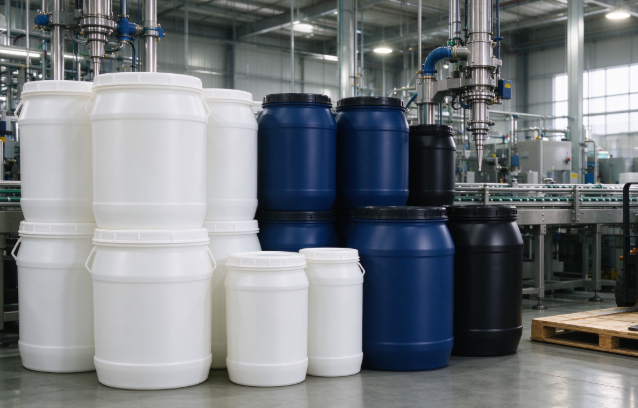
<p><span style="color: rgb(0, 0, 0); font-size: 10pt;">Custom Round Plastic Buckets are increasingly evaluated through a complete packaging lifecycle rather than a one-time unit price. Industrial buyers want dependable filling, transport and product protection, while regulators and customers are asking how packaging can be reused, collected or recycled. These priorities can support each other, but only when material choice, decoration and residual product are considered together.</span></p><p><span style="color: rgb(0, 0, 0); font-size: 10pt;">Round pails remain practical for food ingredients, agricultural inputs, feed, fertilizer and industrial materials because they can be carried, reclosed and stacked. The industry challenge is to preserve those functions while reducing unnecessary material complexity. XinGuo follows this market through specification-led container development across round, American-style, square, octagonal and transfer-box formats.</span></p><h1><span style="color: rgb(47, 95, 159); font-size: 15pt;"><strong>Rigid Packaging Market Change Signals</strong></span></h1><p><span style="color: rgb(0, 0, 0); font-size: 10pt;">• Packaging Rules Are Moving From Weight to Whole System Performance</span></p><p><span style="color: rgb(0, 0, 0); font-size: 10pt;">• Reusable Pails Require a Controlled Return Scenario</span></p><p><span style="color: rgb(0, 0, 0); font-size: 10pt;">• Design for Recycling Begins With Material Simplicity</span></p><p><span style="color: rgb(0, 0, 0); font-size: 10pt;">• Product Residue Can Matter More Than Package Geometry</span></p><p><span style="color: rgb(0, 0, 0); font-size: 10pt;">• Compare the Pressures Reshaping Pail Specifications</span></p><p><span style="color: rgb(0, 0, 0); font-size: 10pt;">• Packaging Data Is Becoming Part of the Customer Record</span></p><p><span style="color: rgb(0, 0, 0); font-size: 10pt;">• Automation Rewards Stable Dimensions and Closure Behavior</span></p><p><span style="color: rgb(0, 0, 0); font-size: 10pt;">• Regional Waste Data Is Increasing Pressure for Better Outcomes</span></p><p><span style="color: rgb(0, 0, 0); font-size: 10pt;">• Supplier Selection Is Expanding Beyond Unit Price</span></p><p><span style="color: rgb(0, 0, 0); font-size: 10pt;">• Industry Questions About Circular Plastic Pail Supply</span></p><h1><span style="color: rgb(47, 95, 159); font-size: 15pt;"><strong>Packaging Rules Are Moving From Weight to Whole System Performance</strong></span></h1><p><span style="color: rgb(0, 0, 0); font-size: 10pt;">Lightweighting once dominated many packaging discussions. Reducing resin can lower material use and freight, but an under-designed pail may deform, leak or fail in distribution, causing product loss that outweighs the saved plastic. Current procurement is moving toward optimized weight: enough structure for the defined fill, stack and transport conditions, with unnecessary material removed only after performance is verified.</span></p><p><span style="color: rgb(0, 0, 0); font-size: 10pt;">Regulatory direction is also broadening. The European Union's packaging framework is moving toward packaging that can be recycled in an economically viable way by 2030, while reuse and waste-prevention measures vary by format. Export buyers therefore need to identify the destination and packaging role early. A general statement that a bucket is recyclable does not confirm compliance with every market or collection system.</span></p><h1><span style="color: rgb(47, 95, 159); font-size: 15pt;"><strong>Reusable Pails Require a Controlled Return Scenario</strong></span></h1><p><span style="color: rgb(0, 0, 0); font-size: 10pt;">A rigid bucket can be physically used again, but safe reuse depends on what it contained, how it is collected, cleaned, inspected and refilled. Closed-loop industrial programs may have a defined return route and known product family. Open consumer reuse is much less controlled. Buyers should separate designed reuse from informal repurposing when making environmental or food-safety claims.</span></p><p><span style="color: rgb(0, 0, 0); font-size: 10pt;">A reuse study can compare trips achieved, washing resources, return transport, damage rate and loss rate. Lids and labels may need replacement even when the body remains serviceable. The most useful metric is delivered product per complete lifecycle, not the number of times an empty bucket could theoretically survive.</span></p><h1><span style="color: rgb(47, 95, 159); font-size: 15pt;"><strong>Design for Recycling Begins With Material Simplicity</strong></span></h1><p><span style="color: rgb(0, 0, 0); font-size: 10pt;">A molded pail body is easier to sort when resin identity is clear and incompatible components are minimized. Handles, gaskets, labels, inks and residual contents can influence collection and reprocessing. Metal handles may be removable, while a mixed-material label can affect local sorting. There is no single global recycling route, so design decisions should reflect the actual destination infrastructure.</span></p><p><span style="color: rgb(0, 0, 0); font-size: 10pt;">Color matters as well. Very dark pigments and specialty effects can reduce value in some recycling systems, while transparent or natural material may serve different markets. Recycled-content targets must be balanced with contact requirements, odor, color and mechanical consistency. Buyers should request evidence appropriate to the intended application instead of applying one recycled-content rule to every pail.</span></p><h1><span style="color: rgb(47, 95, 159); font-size: 15pt;"><strong>Product Residue Can Matter More Than Package Geometry</strong></span></h1><p><span style="color: rgb(0, 0, 0); font-size: 10pt;">Agricultural chemicals, coatings, adhesives, oils and food ingredients leave different residues. A technically recyclable bucket may not enter normal collection if the remaining product is hazardous, sticky or difficult to wash. Emptying efficiency, drainability and access for cleaning therefore influence the realistic recovery route.</span></p><p><span style="color: rgb(0, 0, 0); font-size: 10pt;">Procurement teams can work upstream by selecting suitable fill levels, closures and product viscosities that allow more complete discharge. Downstream instructions should tell users whether the package must be rinsed, returned or handled through a specialist route. These decisions belong to the product owner and destination regulations, supported by packaging data from the supplier.</span></p><h1><span style="color: rgb(47, 95, 159); font-size: 15pt;"><strong>Compare the Pressures Reshaping Pail Specifications</strong></span></h1><p><span style="color: rgb(0, 0, 0); font-size: 10pt;">The table separates five market pressures that are often grouped under sustainable packaging. Each pressure produces a different design or purchasing response.</span></p><table style="min-width: 100px;"><colgroup><col style="min-width: 25px;"><col style="min-width: 25px;"><col style="min-width: 25px;"><col style="min-width: 25px;"></colgroup><tbody><tr><td colspan="1" rowspan="1"><p><span style="color: rgb(255, 255, 255); font-size: 9pt;"><strong>Market pressure</strong></span></p></td><td colspan="1" rowspan="1"><p><span style="color: rgb(255, 255, 255); font-size: 9pt;"><strong>Buyer question</strong></span></p></td><td colspan="1" rowspan="1"><p><span style="color: rgb(255, 255, 255); font-size: 9pt;"><strong>Risk if ignored</strong></span></p></td><td colspan="1" rowspan="1"><p><span style="color: rgb(255, 255, 255); font-size: 9pt;"><strong>Procurement response</strong></span></p></td></tr><tr><td colspan="1" rowspan="1"><p><span style="color: rgb(0, 0, 0); font-size: 9pt;">Material reduction</span></p></td><td colspan="1" rowspan="1"><p><span style="color: rgb(0, 0, 0); font-size: 9pt;">Can weight fall without losing function?</span></p></td><td colspan="1" rowspan="1"><p><span style="color: rgb(0, 0, 0); font-size: 9pt;">Leakage, deformation or product loss</span></p></td><td colspan="1" rowspan="1"><p><span style="color: rgb(0, 0, 0); font-size: 9pt;">Test optimized designs at real gross weight</span></p></td></tr><tr><td colspan="1" rowspan="1"><p><span style="color: rgb(0, 0, 0); font-size: 9pt;">Reuse goals</span></p></td><td colspan="1" rowspan="1"><p><span style="color: rgb(0, 0, 0); font-size: 9pt;">Is there a controlled return and wash loop?</span></p></td><td colspan="1" rowspan="1"><p><span style="color: rgb(0, 0, 0); font-size: 9pt;">Unsupported reuse claims or contamination</span></p></td><td colspan="1" rowspan="1"><p><span style="color: rgb(0, 0, 0); font-size: 9pt;">Define trips, inspection and retirement criteria</span></p></td></tr><tr><td colspan="1" rowspan="1"><p><span style="color: rgb(0, 0, 0); font-size: 9pt;">Recyclability</span></p></td><td colspan="1" rowspan="1"><p><span style="color: rgb(0, 0, 0); font-size: 9pt;">Can local systems sort the full package?</span></p></td><td colspan="1" rowspan="1"><p><span style="color: rgb(0, 0, 0); font-size: 9pt;">Components reduce recovery value</span></p></td><td colspan="1" rowspan="1"><p><span style="color: rgb(0, 0, 0); font-size: 9pt;">Review resin, handle, label and residue</span></p></td></tr><tr><td colspan="1" rowspan="1"><p><span style="color: rgb(0, 0, 0); font-size: 9pt;">Export compliance</span></p></td><td colspan="1" rowspan="1"><p><span style="color: rgb(0, 0, 0); font-size: 9pt;">Which destination rules apply?</span></p></td><td colspan="1" rowspan="1"><p><span style="color: rgb(0, 0, 0); font-size: 9pt;">Wrong marking or documentation</span></p></td><td colspan="1" rowspan="1"><p><span style="color: rgb(0, 0, 0); font-size: 9pt;">Confirm market and application before release</span></p></td></tr><tr><td colspan="1" rowspan="1"><p><span style="color: rgb(0, 0, 0); font-size: 9pt;">Supply resilience</span></p></td><td colspan="1" rowspan="1"><p><span style="color: rgb(0, 0, 0); font-size: 9pt;">Can approved packaging be repeated?</span></p></td><td colspan="1" rowspan="1"><p><span style="color: rgb(0, 0, 0); font-size: 9pt;">Color, fit or closure inconsistency</span></p></td><td colspan="1" rowspan="1"><p><span style="color: rgb(0, 0, 0); font-size: 9pt;">Use controlled samples and revision records</span></p></td></tr></tbody></table><p><span style="color: rgb(0, 0, 0); font-size: 10pt;"> </span></p><h1><span style="color: rgb(47, 95, 159); font-size: 15pt;"><strong>Packaging Data Is Becoming Part of the Customer Record</strong></span></h1><p><span style="color: rgb(0, 0, 0); font-size: 10pt;">Buyers increasingly collect resin type, component weight, color, decoration, supplier identity and test evidence. This information supports packaging taxes, extended producer responsibility reports and customer sustainability questionnaires. It also helps companies identify where one bucket specification has multiplied into unnecessary variants.</span></p><p><span style="color: rgb(0, 0, 0); font-size: 10pt;">Data quality matters more than a generic environmental badge. A documented material and weight can be used in calculations, while an unqualified green claim cannot. Suppliers and buyers should agree which records accompany each order and who is responsible for destination-specific declarations.</span></p><h1><span style="color: rgb(47, 95, 159); font-size: 15pt;"><strong>Automation Rewards Stable Dimensions and Closure Behavior</strong></span></h1><p><span style="color: rgb(0, 0, 0); font-size: 10pt;">Filling lines rely on pails that denest, index, fill and accept lids within a predictable window. Variation can cause jams or require manual intervention. As plants automate, packaging is judged not only at final inspection but also by how consistently it moves through the line. Rim dimensions, stack height, handle position and static behavior can become critical inputs.</span></p><p><span style="color: rgb(0, 0, 0); font-size: 10pt;">A line trial is especially useful when an existing package is replaced or lightweighted. The test should observe more than a few hand-fed samples. It needs enough units to reveal denesting, lid feeding and sensor behavior. Packaging manufacturers can supply controlled samples, while the filler validates compatibility with its own equipment and operating speed.</span></p><h1><span style="color: rgb(47, 95, 159); font-size: 15pt;"><strong>Regional Waste Data Is Increasing Pressure for Better Outcomes</strong></span></h1><p><span style="color: rgb(0, 0, 0); font-size: 10pt;">The OECD reported that Southeast and East Asia generated 113 million tonnes of plastic waste in 2022; 19 percent was collected for recycling and 12 percent was effectively recycled. These regional figures cover far more than rigid pails, but they show the gap between collection and actual recovery. Packaging design alone cannot close that gap, yet it can avoid creating unnecessary barriers.</span></p><p><span style="color: rgb(0, 0, 0); font-size: 10pt;">The U.S. EPA also identifies containers and packaging as the largest product category in municipal solid waste in its 2018 dataset. The figures should not be applied directly to an industrial pail program, but they explain why customers are asking for clearer material information, waste prevention and credible end-of-life routes.</span></p><h1><span style="color: rgb(47, 95, 159); font-size: 15pt;"><strong>Supplier Selection Is Expanding Beyond Unit Price</strong></span></h1><p><span style="color: rgb(0, 0, 0); font-size: 10pt;">A low price has limited value if the pail causes filling downtime, closure complaints or inconsistent branding. Buyers are adding tooling control, sample approval, batch identification, capacity planning and response time to supplier reviews. They also want realistic statements about order scale and schedule rather than blanket promises.</span></p><p><span style="color: rgb(0, 0, 0); font-size: 10pt;">XinGuo publishes a maximum documented order volume of up to 150,000 pieces, subject to model and schedule review, and describes a typical three-day production rhythm. A responsible project still confirms tooling, color, decoration, testing, quantity and production window before treating those figures as an order commitment.</span></p><h1><span style="color: rgb(47, 95, 159); font-size: 15pt;"><strong>Industry Questions About Circular Plastic Pail Supply</strong></span></h1><h2><span style="color: rgb(47, 95, 159); font-size: 12.5pt;"><strong>Is a reusable plastic bucket automatically sustainable?</strong></span></h2><p><span style="color: rgb(0, 0, 0); font-size: 10pt;">No. Benefits depend on actual return trips, washing, transport, damage, loss and the product that the bucket replaces or protects.</span></p><h2><span style="color: rgb(47, 95, 159); font-size: 12.5pt;"><strong>What does design for recycling mean for a pail?</strong></span></h2><p><span style="color: rgb(0, 0, 0); font-size: 10pt;">It means considering resin identity, color, handle, gasket, label, ink, residual contents and the sorting and recycling systems available in the destination market.</span></p><h2><span style="color: rgb(47, 95, 159); font-size: 12.5pt;"><strong>Why should a filling line test packaging samples?</strong></span></h2><p><span style="color: rgb(0, 0, 0); font-size: 10pt;">Stable denesting, indexing, lid application, sensor detection and stacking can affect throughput even when individual samples look acceptable.</span></p><h2><span style="color: rgb(47, 95, 159); font-size: 12.5pt;"><strong>Which packaging data should buyers request?</strong></span></h2><p><span style="color: rgb(0, 0, 0); font-size: 10pt;">Useful records include material, component weight, color and decoration specification, approved sample, test conditions, batch identity and destination-specific declarations.</span></p><p><span style="color: rgb(0, 0, 0); font-size: 10pt;">Packaging teams reviewing a rigid-pail program can share their fill process, market destinations, reuse goals and data requirements with XinGuo. A clear brief helps separate measurable design improvements from claims that are not supported by the actual supply chain.</span></p><h1><span style="color: rgb(47, 95, 159); font-size: 15pt;"><strong>Rigid Packaging Industry SEO Data</strong></span></h1><p><span style="color: rgb(0, 0, 0); font-size: 10pt;"><strong>Meta Title: </strong>Reusable Rigid Packaging Trends in Plastic Pail Supply</span></p><p><span style="color: rgb(0, 0, 0); font-size: 10pt;"><strong>Meta Description: </strong>Explore how reuse, recyclability, packaging data, automation and export rules are changing plastic-pail procurement.</span></p><p><span style="color: rgb(0, 0, 0); font-size: 10pt;"><strong>Meta Keywords: </strong>Custom Round Plastic Buckets, reusable rigid packaging, recyclable plastic pails, industrial packaging trends</span></p>